
As Cybersecurity Awareness Month gets underway, many businesses will be asking themselves a familiar question: “Are we secure enough?”
It sounds simple. However, there is no universal point at which every organisation becomes completely secure. Each business faces different threats, holds different data and depends on different systems.
Therefore, the better question is whether your cybersecurity posture matches the risks your organisation faces today.
Your cybersecurity posture describes your overall ability to prevent, detect and respond to cyber threats. It covers more than the products you have bought. It also includes your people, processes, policies, configurations and recovery plans.
Understanding that position gives you a clearer view of your strengths and weaknesses. More importantly, it helps you decide what to improve first.
 Security is not a shopping list
Many organisations can name the security tools they use. They may have antivirus software, email filtering, firewalls, backups and multi-factor authentication.
However, owning these tools does not automatically mean the business has effective protection.
Configuration matters just as much as capability. For example, a security feature may exist within a platform but remain disabled or poorly configured. Likewise, alerts may appear but reach nobody who can investigate them quickly.
Tools also need to work together. Otherwise, gaps can form between identities, devices, cloud services and business data.
Therefore, reviewing outcomes is more valuable than counting products.
Start with the risks that matter to your businessEvery organisation has a different risk profile. A manufacturer may focus on operational downtime. Meanwhile, a professional services firm may prioritise confidential client data. A school must protect staff, pupils, devices and cloud accounts across a complex environment. A retailer may need to focus on payment data, online services and supply-chain access.
Your assessment should begin with the organisation itself.
Which systems support essential operations? What data would cause serious disruption if criminals stole, altered or encrypted it? Which users, suppliers or services have privileged access?
These questions turn cybersecurity into a business conversation. They also help leaders direct time and budget towards meaningful risks, rather than the latest headline or product.
 Examine the foundations
A strong cybersecurity posture starts with consistent foundations.
First, the organisation needs an accurate view of its users, devices, applications and data. Without that visibility, teams cannot protect assets they do not know about.
Next, access controls should reflect each person’s role. Multi-factor authentication can add an important layer of protection. However, organisations should also review user privileges, dormant accounts and employee onboarding processes.
The same applies when someone leaves the business. Teams need to remove access promptly and check whether the employee owned any important files, accounts or applications.
Devices and software need similar attention. Teams should apply security updates, manage supported versions and confirm that protective tools cover every relevant endpoint.
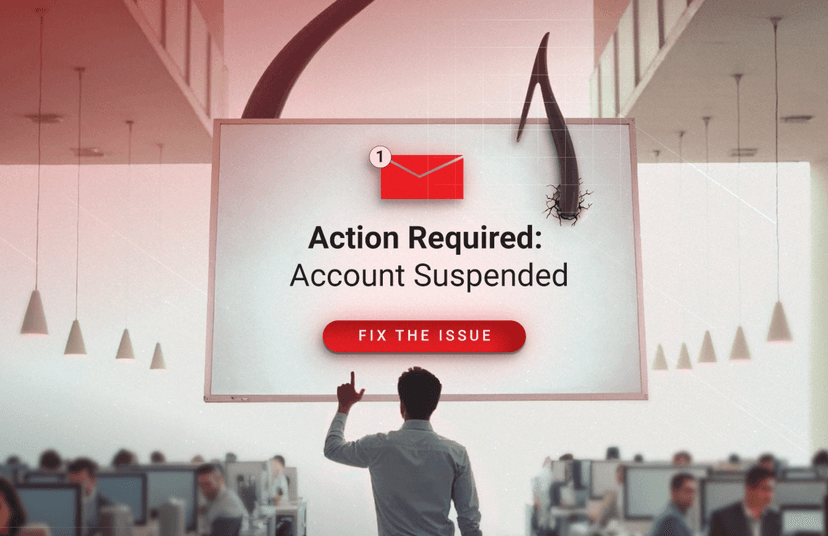
In addition, they should review email security. Attackers often use convincing messages to target employees and gain access to systems or information.
Finally, backups need more than a green status light. Organisations should understand what they back up, where they store it and how they would restore it.
Regular recovery tests provide stronger assurance than assumptions.
Test your ability to detect and respondPrevention remains essential, but no control removes every risk. Therefore, businesses also need to know how quickly they could spot and contain suspicious activity.
Consider what would happen after an unusual login, malicious attachment or compromised device.
Would an alert reach the right person? Could the team isolate the affected account or endpoint? Would leaders know who should make operational and communication decisions?
An incident response plan creates structure during a stressful event. However, the plan must remain practical and current.
Regular exercises can reveal unclear responsibilities, missing contact details and technical dependencies. Crucially, they expose these issues before a real incident does.
Include people in the assessmentTechnology forms only one part of your cyber security posture.
Employees make security decisions every day when they open messages, share files and handle information. Consequently, awareness must become an ongoing business practice rather than a yearly tick-box exercise.
Training should reflect the threats people may actually encounter. Clear reporting routes matter too.
If an employee suspects a phishing attempt or accidental disclosure, they should know what to do next. They should also feel comfortable reporting the issue quickly.
Leadership shapes behaviour as well. When senior teams discuss cyber risk regularly, security becomes part of wider decision-making.
In contrast, silence can encourage the belief that cybersecurity belongs only to the IT team.
Make better use of what you already haveBefore buying another platform, review your existing technology.
Many organisations already licence security features through Microsoft 365 and other business systems. Yet licensing alone does not confirm that teams have enabled, configured or monitored those features correctly.
A structured review can compare available capabilities with current risks. It may uncover quick improvements, as well as areas that need further investment.
As a result, the business can reduce unnecessary duplication and focus spending where it adds value.
This approach also supports wider planning. Instead of reacting to individual concerns, leaders gain a more coherent roadmap for identities, devices, email, data and monitoring.
The answer may not involve buying more tools. Instead, it may require better configuration, clearer ownership or greater use of existing capabilities.
Turn findings into prioritiesA security review may reveal several gaps at once. However, trying to address everything immediately can overwhelm teams and budgets.
Prioritisation makes progress manageable.
Start with issues that could create the greatest operational, financial or reputational impact. Then consider how easily someone could exploit each weakness.
Some actions may reduce significant risk with a relatively small change. Others will require a longer programme of work.
Each recommendation should have an owner, a target date and a clear outcome. Furthermore, leaders should track progress through regular reviews.
This turns an assessment from a static report into an active improvement plan.
It also gives decision-makers a clearer explanation of where investment will have the greatest effect.
 Avoid treating compliance as the finish line
Frameworks and certifications can provide valuable structure, but they should support your wider security strategy rather than replace it.
A compliant organisation can still face risks that sit outside a framework’s scope. Equally, controls can weaken as employees, suppliers and technology change.
Therefore, businesses should view compliance as a baseline. They should continue to review their wider exposure after achieving certification.
Cyber Essentials may form an important part of your cyber security posture, especially when customers or supply chains expect certification. Nevertheless, ongoing review remains essential.
So, are you secure enough?The honest answer cannot come from a product list or a one-off checklist.
It comes from understanding your risks, testing your controls and knowing where gaps remain.
A healthy cybersecurity posture does not mean eliminating every possible threat. Instead, it means making informed decisions, applying proportionate controls and preparing the organisation to respond when something goes wrong.
Cybersecurity Awareness Month offers a useful reason to begin that conversation. However, the work should continue throughout the year.
Threats evolve, businesses change, and yesterday’s controls may not address tomorrow’s needs.
Understanding your current position starts with a thorough assessment. Rather than trying to identify every risk and security gap yourself, let Simoda complete the assessment for you.