
Safeguarding public spaces is becoming an increasingly vital priority for any and all public spaces. Martyn’s Law, also known as the Protect Duty, is a new piece of legislation designed to enhance the safety and security of public venues by ensuring they are better prepared to respond to the threat of terrorism.
This blog will unpack what Martyn’s Law entails and what steps individuals and organisations can take to comply with it and be prepared for emergencies.
 What Is Martyn’s Law?
Martyn’s Law is named in memory of Martyn Hett, a victim of the Manchester Arena terrorist attack in 2017. Martyn’s mother, Figen Murray, has campaigned tirelessly for increased security measures to protect public spaces and prevent similar tragedies. The law aims to place a legal obligation on venue owners and operators to take steps to reduce the risk of terrorism.

Who Does It Apply To?Martyn’s Law primarily applies to:
-
Publicly Accessible Locations: Places where people gather for leisure, retail, entertainment, or worship. Examples include shopping centres, sports stadiums, music venues, and public transport hubs.
-
Venue Operators and Event Organisers: Those responsible for spaces with capacities ranging from a few hundred to thousands must ensure their premises are adequately secured against potential threats.
-
Standard Tier: For venues with a capacity of 100 or more.
-
Enhanced Tier: For venues with a capacity of 800 or more.
Each category has specific requirements tailored to the scale and nature of the venue.
What Does Martyn’s Law Require?Martyn’s Law sets out clear measures to enhance security preparedness. These include:
 How Organisations, like Yours, Can Prepare
Organisations can prepare for compliance with Martyn’s Law and ensure safety by:
Installing CCTV systems, access control measures, communication systems and metal detectors.
Engaging with Training Providers: Offering professional training for staff on recognising and responding to threats.
-
Regular Drills and Audits: Conducting security drills to test response plans and updating protocols based on findings.
-
Public Awareness Campaigns: Educating visitors about safety protocols and encouraging vigilance.
The Broader Impact of Martyn’s LawMartyn’s Law represents a significant step forward in creating safer public spaces. It places a collective responsibility on venue operators, staff, and the public to work together in reducing the threat of terrorism. By fostering a culture of preparedness and vigilance, this law honours the memory of those lost in tragic events and helps prevent future incidents.
Public safety is a shared priority, and compliance with Martyn’s Law is about saving lives. Let’s take the lessons learned from the past and build a safer, more secure future for everyon
Schools Are Required to Comply TooThe law categorises premises into two tiers based on capacity, with schools generally falling into the Standard Tier, which requires them to develop tailored plans for evacuation, lockdown, and communication. This legislation underscores the importance of safeguarding educational environments and ensuring that schools are equipped to respond effectively to potential threats.
Public safety is a shared priority, and compliance with Martyn’s Law is about saving lives.
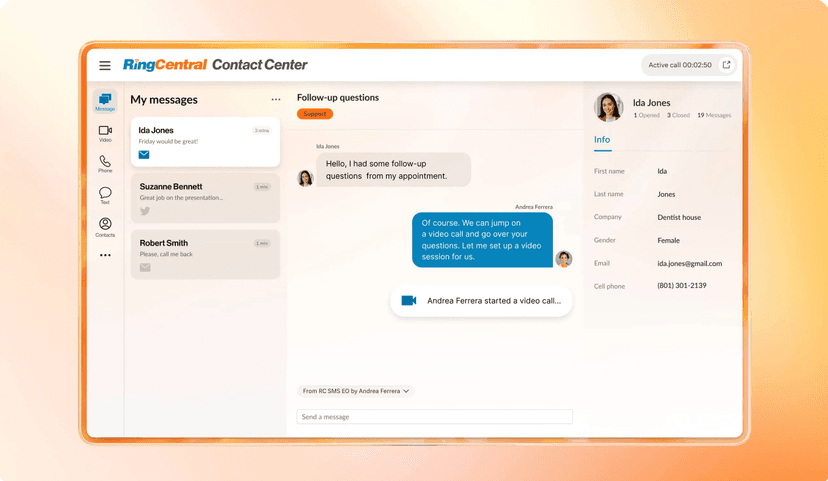
To support schools and other organisations, Simoda is offering a limited-time discount on RingCentral’s solutions. This is a great opportunity to enhance safety and communication systems while aligning with Martyn’s Law.