
A cyber incident does not always begin with an obvious warning.
There may be no locked screen, urgent message or immediate system outage. Instead, the first sign could be an unusual login, an unexpected account change or unfamiliar activity on a device.
That raises an important question: Would your business know if something was wrong?
This question is not designed to create fear. Instead, it encourages organisations to consider how much visibility they have across their environment.
At Simoda, we help businesses assess that visibility. We review their existing security controls, monitoring processes and ability to respond when something unusual occurs.
Strong cyber threat detection helps organisations recognise potential problems sooner. However, technology is only part of the answer. Businesses also need clear responsibilities, useful information and a plan that turns alerts into action.
 Prevention is only part of the picture
Businesses rightly invest in preventing cyber incidents. Firewalls, multi-factor authentication, email security, endpoint protection and employee training can all reduce risk.
However, no security measure can remove every possible threat.
A legitimate account could become compromised. An authorised user might make an unusual change. Equally, a trusted device could behave differently after opening a malicious attachment.
Therefore, a balanced security strategy should answer two questions:
- How do we reduce the likelihood of an incident?
- How would we recognise and respond to suspicious activity?
The second question is where cyber threat detection becomes particularly important.
What does cyber threat detection involve?Cyber threat detection is the process of identifying activity that may indicate a security incident.
This activity could appear across user accounts, endpoints, email platforms, cloud services or the wider network. Yet a single event does not always provide the complete picture.
For example, an unusual login might have a legitimate explanation. However, the same login followed by a privilege change and an unexpected file download could require further investigation.
Consequently, effective detection depends on context. Security teams need enough relevant information to understand what happened, where it happened and why it may matter.
Collecting information is only the beginning. Someone must also review it, recognise what deserves attention and know what to do next.
Do you know what normal looks like?Identifying unusual behaviour becomes easier when an organisation understands normal activity.
When do employees usually access company systems? Which devices should connect to the network? Who can change important settings? Which services regularly communicate with each other?
Without this context, suspicious activity can blend into everyday noise.
However, organisations do not need to monitor every action equally. Instead, they should identify the systems, accounts and information that matter most.
They can then decide which events could indicate a genuine concern.
These may include:
- Unexpected or repeated login attempts
- Access from an unfamiliar device or location
- Changes to administrator privileges
- New or unknown applications
- Disabled security tools
- Unusual movement or deletion of data
- Unexpected communication between systems
Not every alert will represent an incident. Nevertheless, the organisation needs enough context to make an informed decision.
 Are your security alerts creating useful insight?
Most business technology generates logs, alerts and security information. Yet access to this data does not automatically create useful visibility.
One platform may record account activity, while another monitors devices. Meanwhile, email systems, firewalls and cloud services may generate separate alerts.
As a result, related events can remain disconnected.
It’s why we help organisations review their security environment and identify gaps in visibility. We can also help reduce duplicated notifications and improve how teams monitor important activity.
The aim is not to collect every possible event. Instead, businesses need relevant information to support faster, more confident decisions.
Who receives the alert?An alert only creates value when it reaches someone who can act.
Businesses should establish who monitors security alerts, what happens outside working hours and who investigates connected events. They should also define who can approve containment actions.
Clear ownership reduces uncertainty when a potential incident occurs.
For organisations with an internal IT team, Simoda can provide additional cyber security expertise. Alternatively, we can offer wider support where dedicated security resources are limited.
In both cases, the objective remains the same. The right information must reach the right people, followed by a clear route towards action.
More alerts do not always mean better protectionAlert volume does not equal security maturity.
If tools produce too much noise, important activity can become difficult to recognise. Internal teams may also spend valuable time investigating events that present little genuine risk.
Therefore, organisations should focus on the quality and context of their alerts.
Can the team understand why an alert appeared? Does it identify the account, device or system involved? Most importantly, is there a clear next step?
Regular reviews can remove duplicated notifications and highlight where more information is needed. As a result, monitoring becomes more focused and manageable.
 Where does EDR fit?
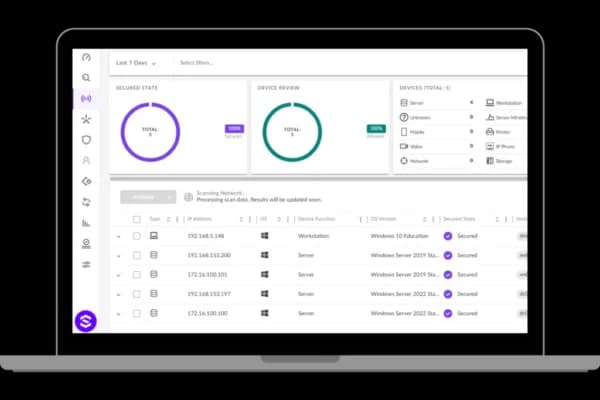
Endpoint Detection and Response, or EDR, can play an important role within a broader detection strategy.
EDR monitors activity across laptops, desktops and servers. It can help security teams identify suspicious behaviour, investigate events and respond to endpoint threats.
We work with organisations to deploy and manage SentinelOne EDR within their wider cyber security approach.
SentinelOne can identify suspicious endpoint behaviour, support investigations and help contain threatening activity. However, simply installing EDR does not complete the job.
The platform needs effective configuration and ongoing management. Someone must also review its alerts, understand their context and determine the appropriate response.
Simoda helps customers configure and optimise SentinelOne around their environment and operational needs. We can work alongside internal teams or provide ongoing expertise where additional support is required.
Nevertheless, EDR should not operate in isolation. Businesses must also consider identities, email, cloud services, employee reporting and recovery.
People provide valuable early warningEmployees can play an important role in cyber threat detection.
Someone might notice an unexpected multi-factor authentication request. Another employee may receive an unusual payment instruction or find a file that has changed without explanation.
However, this information only helps when people know how to report it.
Organisations should provide a clear reporting route. Employees should also understand that reporting something quickly matters more than being certain an incident has occurred.
This creates a more positive security culture. People become an active part of detection rather than worrying about blame.
Test your response before you need itFinding suspicious activity is only the start.
The organisation must establish what happened, which systems it affects and what action could reduce the impact. Even businesses with internal IT teams may need specialist knowledge during an investigation.
Simoda can help customers review alerts, understand the available evidence and identify proportionate next steps. Where required, we can also support the containment of affected accounts or devices.
However, organisations should not wait for a real incident to test their processes.
A simple exercise could begin with an unusual login or security alert. The team could then practise how it would validate, escalate, contain and communicate the issue.
This is not about catching people out. Instead, it helps employees and leaders understand their responsibilities and respond with greater confidence.
So, would you know?Effective cyber threat detection helps businesses recognise potential warning signs, investigate unusual activity and respond proportionately.
Tools such as SentinelOne EDR can improve endpoint visibility. However, technology works best alongside clear ownership, employee awareness and a tested response plan.
The question is not simply whether your organisation receives security alerts. It is whether those alerts provide useful insight and whether your business is ready to act.
If the answer is no, let Simoda assess your current position.
We can review your existing controls, identify potential gaps and help you prioritise the improvements that can strengthen your detection and response readiness.